Related reading: Peace Through Strength: The Gamble, and the Backfire (2026) | Iran Protests, Rial Collapse, Bazaar Strikes (2026) | Who Runs Venezuela Now and Who Runs It Next? | Corrections & Editorial Standards
Byline: 3 Narratives News | January 28, 2026
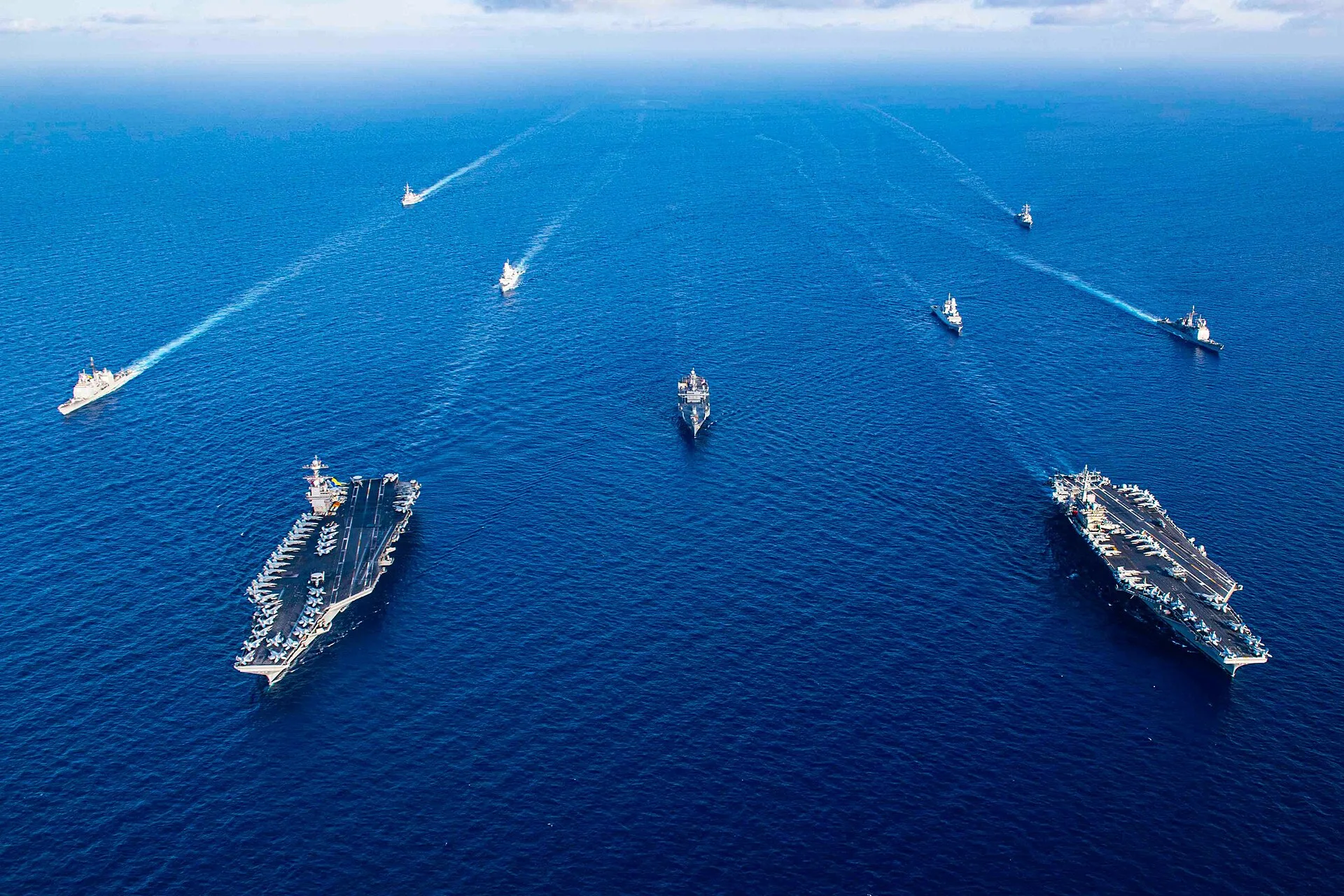
At sea, power travels slowly, but it arrives with a kind of inevitability. A carrier group does not drift. It announces itself. And this week, the announcement is aimed at Iran.
President Donald Trump is warning Tehran that the next U.S. move will be
“far worse”
than last summer’s strikes, while a U.S. naval armada led by the USS Abraham Lincoln shifts toward the Gulf. Washington describes it as leverage to force a nuclear deal. Tehran calls it coercion dressed up as diplomacy, a threat designed to make Iran blink first.
Callout: The story is not only what Trump might do next. It is what Iran believes he is willing to do next, and what frightened people inside Iran believe no one will do for them at all.
What’s happening, and why it matters
Trump is demanding a new nuclear agreement and repeating a simple red line: no nuclear weapons. In public remarks and posts, he is also sharpening the consequence: if talks fail, the military option returns, larger and louder than before.
On the map, a carrier strike group changes the psychology of a crisis. It is not a press release. It is air power, missiles, surveillance, and logistics floating together as a single sentence. It tells allies, adversaries, and markets that Washington wants to be believed.
Why it matters: Iran’s nuclear file, its internal unrest, and U.S. force posture are now intertwined. In that kind of braid, one misread signal can become an irreversible decision.
External context: Reuters reporting on Trump’s warning and Iran’s response is here: Reuters (Jan. 28, 2026). A separate Reuters dispatch on Tehran’s position that it did not request negotiations is here: Reuters (Jan. 28, 2026).
The numbers, and the fog around them
Iran’s recent unrest has produced competing death tolls, and the divergence is the point. When a state tries to crush a movement, accurate counting becomes dangerous. Families fear naming the missing. Hospitals fear paper trails. Journalists fear visas that vanish overnight.
Here is what is knowable right now, even if it remains disputed:
- Official figures: Reuters has reported official tallies in the low thousands, including an official figure of 3,117 cited later in the crackdown timeline.
- Activist monitoring: The U.S.-based group HRANA has reported a higher toll, including 5,937 deaths (and additional categories such as security personnel).
- Earlier official acknowledgment: Reuters also reported an Iranian official telling the agency roughly 2,000 were killed earlier in the unrest, while blaming “terrorists.”
Even the most conservative version still describes a country convulsing under economic strain and political fury. Iran’s internet shutdowns have made independent verification difficult. That uncertainty becomes part of the battlefield: each side argues not only over policy, but over reality.
External context: Reuters on HRANA’s toll and the official figure is here: Reuters (Jan. 26, 2026). Reuters on the earlier “about 2,000” figure is here: Reuters (Jan. 13, 2026).
A journalist’s view from exile: “My weapon is my voice.”
To understand the moral pressure behind Trump’s rhetoric, follow the people who cannot safely go home. Masih Alinejad, an Iranian-American journalist and activist, has spent years trying to keep cameras on what Iran’s leaders would rather the world not see.

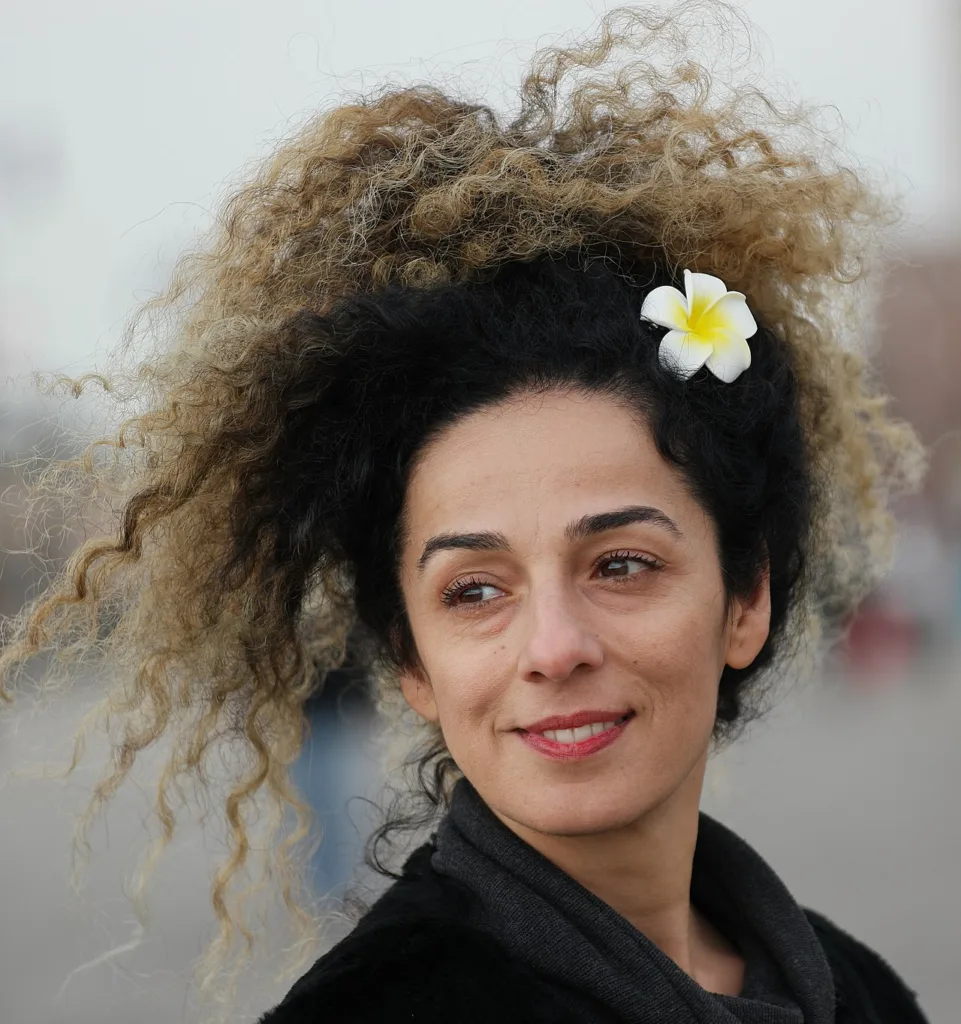
On Wednesday, in a New York courtroom, she described what it means to live under permanent threat after an Iran-backed plot to kill her. “I’m just a woman,” Alinejad said. “My weapon is my voice. My weapon is my social media.”
She is not an easy mascot for anyone’s talking points. She wants the regime held accountable. She says the world should confront transnational repression. But she also speaks carefully about the difference between punishing leaders and shattering a country.
Callout: Her fear is not theoretical. Her argument is not abstract. It is what a person says when a state has tried to silence her by force and failed.
External context: Reuters on the sentencing and the Iran-backed plot is here: Reuters (Jan. 28, 2026). AP’s account of Alinejad’s court statement is here: Associated Press (Jan. 28, 2026).
Narrative 1: “Hit Them Before They Recover”
This is not flirting with war. This is what deterrence looks like when you stop apologizing for it.
Iran has shown the world three things at once: it pushes the nuclear file forward, it answers domestic revolt with lethal force, and it wagers that foreign leaders will always prefer speeches to consequences. That wager only works when the threat is theatrical. So Trump makes it physical.
He says the next action will be “far worse” than the June strikes. He points to the last campaign as proof that force can reset Iran’s calculation. And he sends the USS Abraham Lincoln and its escorts into the frame so that Tehran understands the clock is not metaphorical.
Even Trump’s language is designed to remove ambiguity. He writes about an “armada,” insists “time is running out,” and treats delay as defiance. In this worldview, negotiations are not a process. They are a countdown.
Iran’s leadership knows how to survive protests. It tightens, arrests, shuts down networks, and waits for the world to move on. If the United States signals support for protesters and then watches them get crushed, the lesson is exported to every other authoritarian capital: endure the headlines, and you can do anything.
So the pressure must be unmistakable. It must look like an ultimatum. It must carry the credible possibility of a follow-up strike. Not because war is desired, but because the regime understands only costs it cannot domesticate.
And there is a second memory here, closer to home for Trump’s supporters: Venezuela. Trump’s team captured Nicolás Maduro this month in an operation that already rewired assumptions about what Washington will attempt when it decides a leader is fair game. In this worldview, Iran is next on the list of regimes that will not be allowed to stall forever. (For background on the Venezuela question, see: Who Runs Venezuela Now and Who Runs It Next?.)
How this ends, if Narrative 1 is right
A short, sharp strike aimed at nuclear infrastructure and high-value command nodes, framed as national security and moral deterrence. Iran responds, but carefully. Trump declares the regime weakened, the nuclear program set back, and “peace through strength” vindicated.
Narrative 2: “This Is Coercive Diplomacy, Not a Countdown”
This is not a fuse. It is leverage.
Trump’s method is old, even when the hardware is new: raise the temperature, move metal into the picture, and force every actor to imagine the worst outcome until the deal begins to feel like relief.
Look at the rhythm. Threat. Pause. Hint at talks. Threat again. It is a negotiating tempo, designed to make intermediaries sprint and to make Tehran worry not only about Washington, but about fractures inside its own system.
Tehran’s language fits this reading. Iran’s mission to the United Nations says it is ready for dialogue “based on mutual respect,” while warning it will defend itself if attacked. Foreign Minister Abbas Araqchi says Iran did not request negotiations with the United States, and that talks cannot proceed under threats and coercive demands. In short, Iran is signalling both deterrence and a door, but it refuses to walk through a doorway built out of humiliation.
Then there is the region itself. A strike might look decisive in Washington, but it would be lived as chaos across the Middle East. A wider conflict would risk proxy escalation, attacks on energy infrastructure, shipping disruptions, and market shock. That reality is why de-escalation pressure rises quietly behind the scenes, even when leaders speak loudly on cameras.
And history sits in the room like an extra delegate. Iran’s diplomats point to America’s record in Iraq and Afghanistan, a reminder that initial victories can metastasize into open-ended conflict. If Washington’s real goal is a nuclear outcome, not a regional bonfire, the carrier group is the hammer on the table, not the nail in the coffin.
How this ends, if Narrative 2 is right
The ships stay. The threats stay. The talks restart through intermediaries. A “new deal” emerges with a different name, tighter enforcement language, and a victory lap tailored for each side’s domestic audience. The carrier group rotates out later, once the headlines find another obsession.
The People Between the Ships and the Streets
Underneath both narratives is a human arithmetic that never makes it into the communiqués.
Inside Iran are families living through scarcity, fear, and the brutal uncertainty of whether the outside world will watch, intervene, or simply archive their suffering. Outside Iran are sailors on warships, pilots on alert, and civilians across the region who know escalation does not arrive evenly. It arrives where daily life is already fragile.
Even if Trump never orders a strike, the buildup changes life. Markets flinch. Militias posture. Border rules tighten. Rumors outrun facts. The mere possibility of war becomes a pressure system pressing down on ordinary people first.
There is also the quiet cruelty of tools that are described as “pressure” but land most heavily on civilians. Sanctions can hollow out medicine supply chains. Blackouts can isolate families. Propaganda can turn grief into accusation. A country can be punished without being freed.
And in the background, human rights monitors describe a grim method of control. A UN expert has said she received reports of injured protesters being detained from hospitals, describing it as a violation of the right to medical care under international law. That is how repression modernizes: not only by force, but by making even treatment feel like evidence.
Callout: The silent story is not whether Trump wins the negotiation. It is whether ordinary Iranians gain a future that is not built from fear.
External context: UN experts urging Iran to break the cycle of violence is here: OHCHR (Jan. 2026). Reuters on reports of detentions from hospitals is here: Reuters (Jan. 26, 2026).
Key Takeaways
- Trump is escalating publicly, warning Iran the next U.S. action would be “far worse” than June’s strikes and tying force posture to a new nuclear deal.
- The U.S. naval buildup is being read in two ways: an imminent strike posture, or classic coercive diplomacy to force negotiations.
- Iran says it is open to dialogue “based on mutual respect,” but rejects talks under threats and says it did not request negotiations.
- Death toll reporting inside Iran remains contested: official figures and activist monitoring diverge sharply amid blackouts and fear.
- The Silent Story is the same in both outcomes: civilians absorb the pressure first, long before leaders sign anything.
Questions This Article Answers
Is Trump planning to attack Iran?
There is no public confirmation of an imminent strike order. Trump’s language and deployments increase the risk, but those moves can also function as leverage to force a deal.
Why is the U.S. moving ships near Iran?
The stated rationale is deterrence and regional security, tied to nuclear negotiations and escalating unrest inside Iran. A carrier group is also a diplomatic signal designed to be believed.
How many people have been killed in Iran’s recent unrest?
Counts vary widely. Reuters has reported official figures in the low thousands and HRANA monitoring in the higher thousands. Independent verification remains difficult amid restrictions and fear.
What does Iran say in response to Trump’s threats?
Iran’s UN mission has said it is ready for dialogue “based on mutual respect,” but warns it will defend itself if attacked. Iran’s foreign minister says talks cannot proceed under threats and coercive demands.
Who is Masih Alinejad, and why does her voice matter here?
Alinejad is an Iranian-American journalist and activist targeted in multiple Iran-linked plots. Her court testimony offers a first-person account of transnational repression and the human stakes behind geopolitics.


