Subheadline: “peace through strength.” This slogan sounds like a Donald Trump exclusive until you trace its lineage, from Roman maxims to Washington’s warnings, Truman’s NATO, Reagan’s Cold War, and now Trump’s louder, less predictable revival.
3 Narratives News | December 22, 2025
Editor’s note: This story examines a political doctrine, not a political tribe. “Peace through strength” has been invoked by leaders across eras and ideologies, often during moments of fear, rivalry, and real war.
Intro
In politics, some phrases function like a uniform. You put them on, and a whole worldview appears, almost automatically.
“Peace through strength”
is one of those.
President Donald Trump has been using the phrase as a headline for his foreign policy posture in his second term, borrowing a line commonly associated with Ronald Reagan’s Cold War message of deterrence and leverage. The slogan is simple enough to fit on a podium, and elastic enough to justify almost anything: tariffs as “diplomacy,” military buildups as “stability,” threats as “prevention,” unpredictability as “leverage.” AP has described Trump’s version as more aggressive and theatrical than Reagan’s, while The Washington Post noted a GOP-wide fight over what the phrase means now.
But the phrase did not begin with Trump, and it does not belong to one decade. It is the modern slogan version of an older idea: if you want peace, you must be ready to fight, and willing to convince your adversary you will. The Romans wrote it as advice to emperors and generals. George Washington put a version of it into early American statecraft. Harry Truman used similar language to explain NATO’s purpose. Reagan turned it into a moral and strategic performance for the Cold War. The Reagan Library still frames it as the backbone of his foreign policy.
https://youtu.be/InxR3MK6-H4?si=akiMCdvzWbJmbyEy&t=43
And today, leaders under direct threat have invoked it too. In 2024, Ukraine’s President Volodymyr Zelenskiy urged Europe to pursue “peace through strength” against Russia, arguing that support must be tangible, not symbolic. Reuters reported his remarks from Budapest.
The real question is not whether the slogan is catchy. It is whether the method works, and what it costs when it does not.
Context: What the Sentence Actually Means
“Peace through strength” is shorthand for deterrence. In plain language, deterrence means preventing an attack by making the expected price of aggression too high.
The thought is ancient. A famous Latin adage, often rendered as “If you want peace, prepare for war,” is linked to the Roman writer Vegetius, who argued that readiness discourages aggression. The idea is not that war is good, but that weakness invites temptation.
In the American tradition, George Washington delivered the concept as guidance to a young republic. In his First Annual Address to Congress in 1790, he argued that preparation for war is among the most effective ways of preserving peace, a blunt line that still echoes every time modern leaders justify military spending as “stability.”
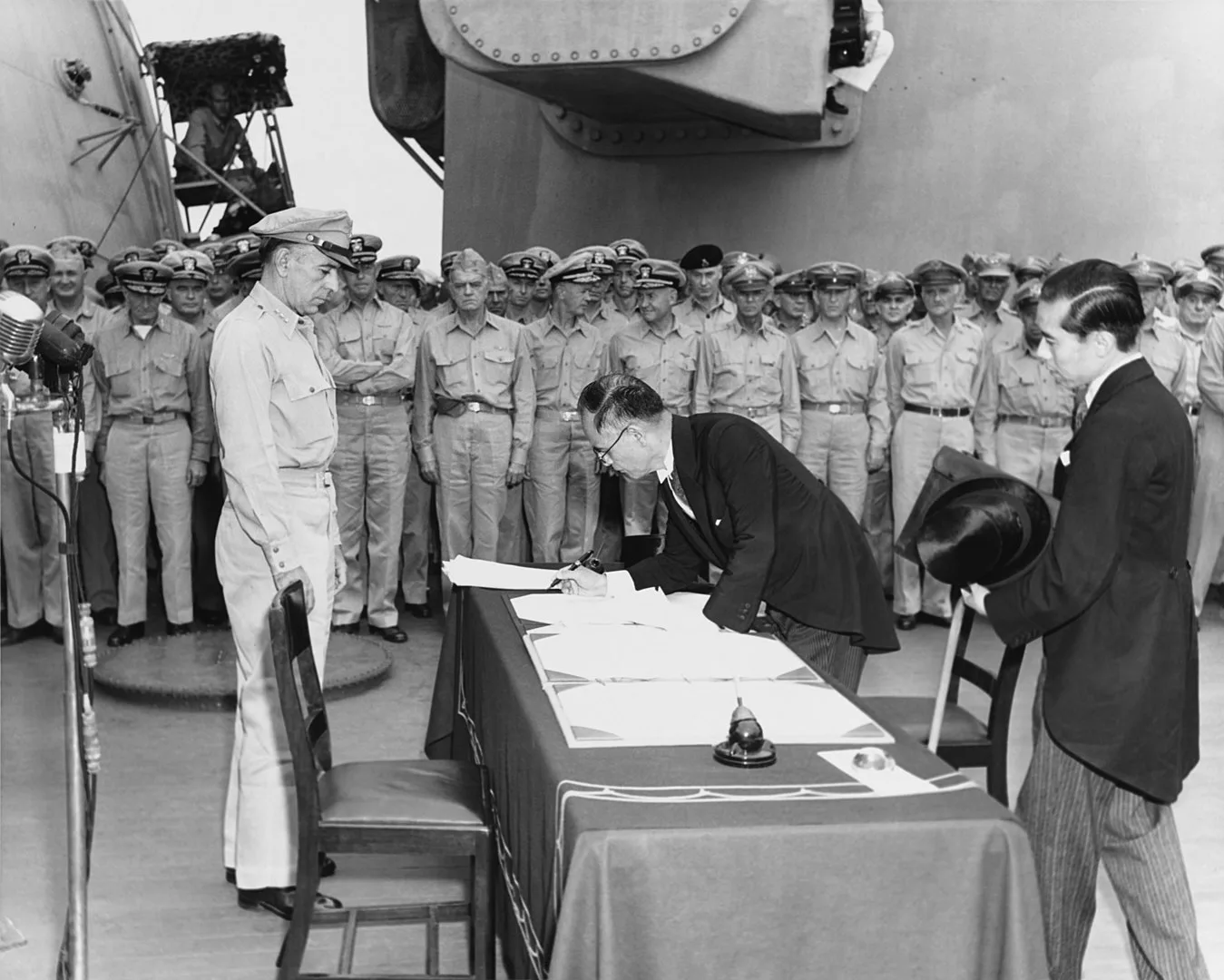
After World War Two, Harry Truman used the logic institutionally. In 1951, he described NATO as an integrated international force whose object was to maintain peace through strength, a sentence that reads today like the official mission statement of the postwar order. The Truman Library preserves the full statement.
By the time Ronald Reagan entered the White House, the phrase became a brand. It was not only a doctrine, it was an identity. Strength would create leverage, leverage would create negotiations, negotiations would prevent catastrophe. That framing remains central to Reagan’s presidential archive.
The promise is seductive: spend on strength now, avoid paying the human cost of war later.
Who Else Used It: A Short Lineage
- Ancient Rome: The “prepare for war to preserve peace” concept is associated with Vegetius and the broader Roman strategic tradition.
- Ancient China: Sun Tzu in “The Art of War” advocated subduing the enemy without fighting through superior positioning and strength.
- George Washington: Early U.S. leadership framed preparedness as peacekeeping, notably in Washington’s 1790 address.
- Harry Truman and NATO: Truman used “maintain peace through strength” to describe NATO’s purpose in 1951.
- Ronald Reagan: The slogan became a signature phrase of his Cold War posture and military modernization agenda.
- Modern Russia: Vladimir Putin has framed Russia’s military capabilities as essential for maintaining peace and deterring aggression in speeches, such as emphasizing a position of strength in negotiations over Ukraine.
- Modern wartime leaders: Zelenskiy used the phrase in 2024 as a plea for European resolve against Russian aggression.
- Donald Trump: In his second term, major outlets describe him as putting a bombastic, high-variance stamp on the doctrine.
One more historical cautionary note: the phrase also appears in British prewar rhetoric. Neville Chamberlain invoked “peace through strength” language in speeches around rearmament in 1939, a reminder that slogans do not guarantee outcomes. Sometimes “strength” arrives too late, or is paired with misread intentions, or is undermined by appeasement elsewhere. (The lesson is not that deterrence never works, but that timing, credibility, and clarity matter.)
Narrative 1: Side A, “Peace Through Strength” as the Only Adult Policy
In this worldview, the world is not a seminar. It is a competitive arena where the ambitious watch the hesitant and move when they sense weakness.
Supporters of “peace through strength” argue that peace is not a natural state. It is built, like a bridge, with weight-bearing beams. Strength is the beam. Alliances are the scaffolding. Credibility is the concrete. Remove any one of them and the structure collapses under pressure.

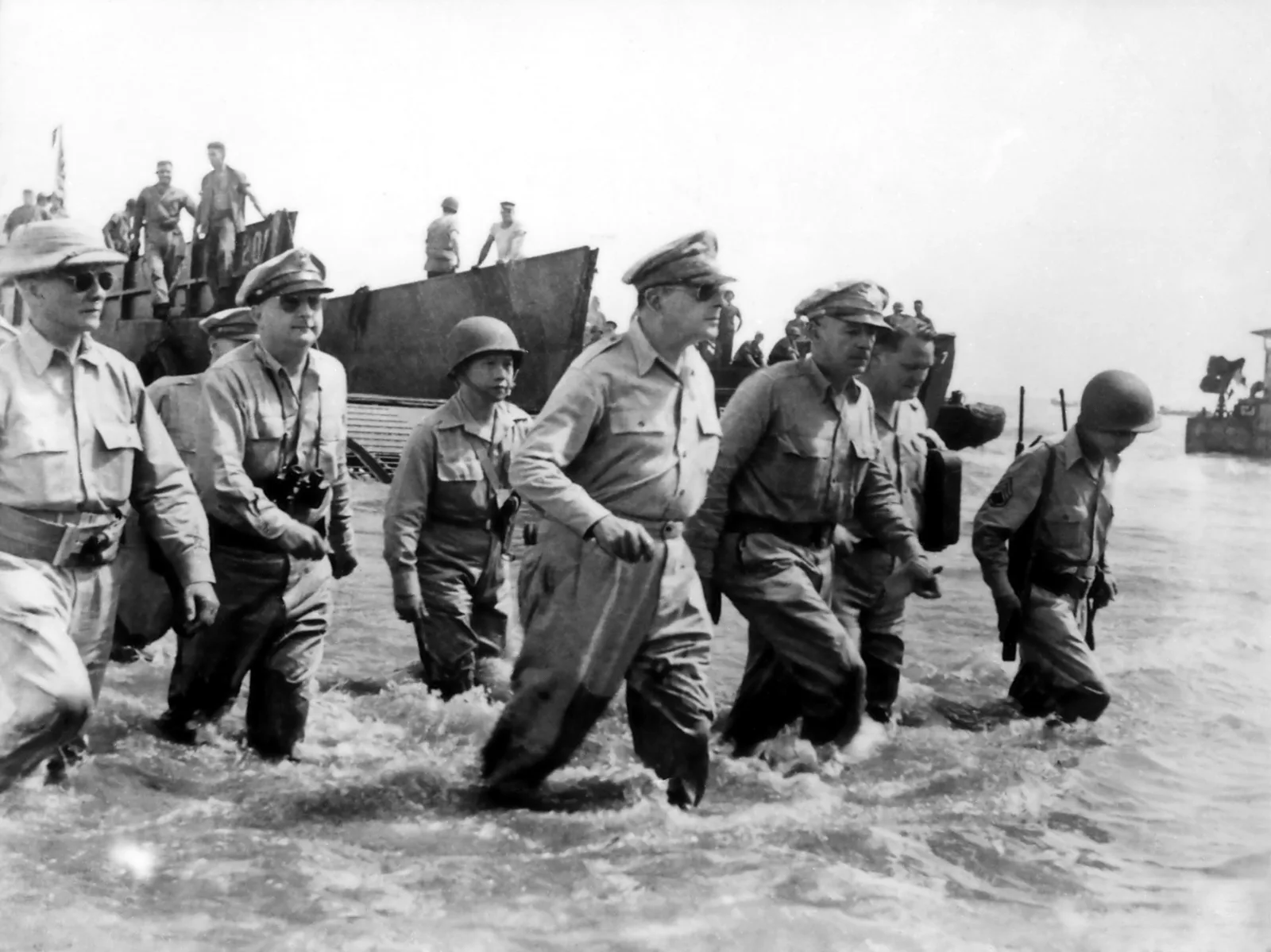
They point to George Washington’s warning that preparedness preserves peace, and they treat it as foundational American realism. A young republic surrounded by empires could not afford purity. It needed readiness. The point was not to seek war, but to make insult and invasion unlikely.
Then they jump forward to Truman. After two world wars, the United States and its allies tried something new: deterrence with institutions. NATO was not a speech. It was a permanent architecture designed to make the cost of aggression unacceptable. Truman’s phrase, an integrated force to maintain peace through strength, is seen as the blueprint of the postwar era.
Reagan becomes the modern hero of the story. The argument is not that he loved war, but that he made confrontation expensive enough to force negotiation. Supporters say that without credible military capability, diplomacy becomes begging. Strength, in their telling, is what gives diplomacy its spine.
From this angle, Trump’s embrace of the phrase is not a relic, it is a return. The world, they argue, is sliding into multipolar competition. Rivals respond to leverage, not lectures. If America wants fewer wars, it must look capable of winning one, because that is what keeps adversaries cautious.
In Side A’s mind, the slogan is not aggressive. It is preventative. It is the logic of a locked door in a dangerous neighborhood. You do not lock the door because you want violence. You lock it because you want to sleep.
Callout: In this worldview, the greatest risk is not strength, it is ambiguity. If an adversary doubts your will, deterrence collapses.
Narrative 2: Side B, The Slogan That Turns Fear Into a Budget and Diplomacy Into a Threat
In this worldview, “peace through strength” is not a shield. It is a story powerful states tell themselves to feel righteous while escalating.

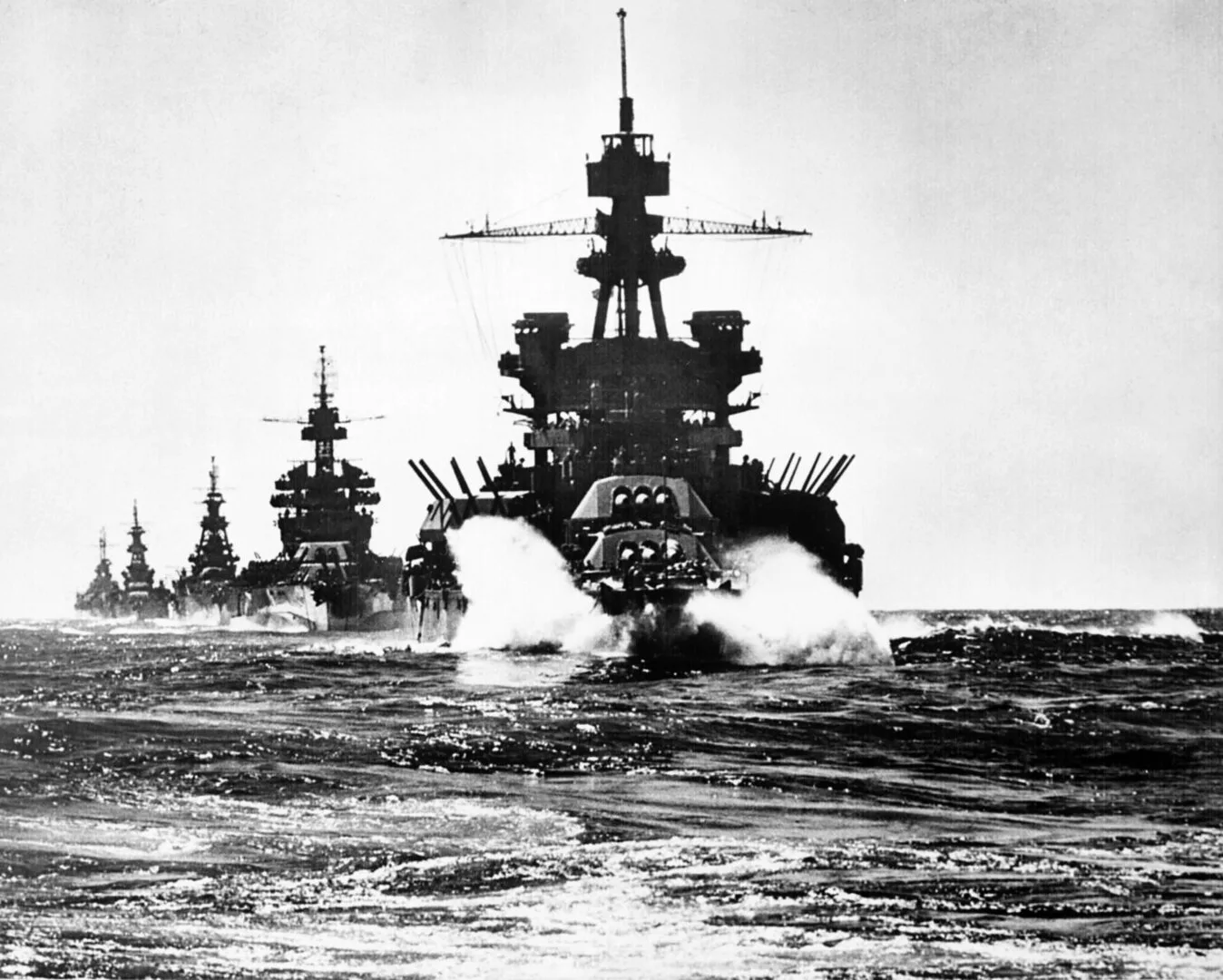
Critics do not deny deterrence exists. They deny it stays contained. They argue that “strength” has a gravitational pull. Once you build the machine, you start looking for reasons to use it, or at minimum to wave it around. The slogan can become an excuse to substitute pressure for patience, coercion for negotiation, and spectacle for strategy.
They point to the moral hazard inside the phrase. If every rival is interpreted as an existential threat, then every compromise becomes “weakness.” Diplomacy turns into a performance of dominance. And dominance, when performed loudly, invites rivals to prove they cannot be intimidated.
Chamberlain is a cautionary figure in this story, not because he used the phrase, but because the era shows how fragile slogans are when misread intentions and miscalculation take over. Rearmament rhetoric did not prevent catastrophe. It just arrived in a world already sliding toward it.
They cite historical backfires, such as the U.S. escalation in Vietnam, where “strength” through troop buildups and bombing campaigns aimed to deter communism but instead prolonged a costly war, eroded domestic support, and failed to achieve lasting peace. Similarly, the pre-World War I arms race between Britain and Germany demonstrated how mutual “strength” pursuits can spiral into conflict rather than prevent it.
They look at the Cold War and see not only deterrence successes, but also constant brinkmanship, proxy conflicts, and the normalization of massive arsenals that the public was told were “peacekeeping.” In their view, the fact that catastrophe was avoided does not mean the method was clean. It means the world got lucky, repeatedly.
Then they look at Trump’s present-day use and hear the dangers of volatility. A doctrine like deterrence depends on credibility and predictability. If policy swings suddenly, if threats are improvised, if allies are treated as temporary, critics argue the “strength” becomes confusing rather than stabilizing. The world does not calm down. It arms up.
Callout: In this worldview, “peace through strength” often becomes “peace through dominance,” and dominance is not peace, it is control.
The deepest criticism is ethical. If the slogan is used to justify permanent escalation, then “peace” becomes a marketing word, while the real outcome is an arms race and a world trained to think in threats first.
The People Who Live Inside the Doctrine
The overlooked truth is that “peace through strength” is not only a foreign policy. It is a domestic system.
Strength costs money. It builds industries. It creates regional economies. It produces careers, lobbyists, and revolving-door jobs. The doctrine becomes a permanent political infrastructure that survives presidents because it employs people and funds districts. Once that machine exists, leaders inherit it, and they rarely shrink it. They rename it.
Meanwhile, ordinary people experience the doctrine as anxiety. Families with loved ones deployed. Taxpayers watching budgets swell while housing and health care feel strained. Immigrant communities nervous that global tensions will follow them home as hate, suspicion, or surveillance. Investors betting on instability, because instability moves markets.
And on the other side of deterrence, there are civilians in contested regions who become the background. “Strength” is discussed in capitals, but lived in border towns, ports, and skies. The slogan is clean. Reality is messy.
In the 2025 landscape, this extends beyond traditional arms to economic and technological domains. Trump’s use of tariffs, sanctions, and cyber operations as tools of “strength” turns global trade and digital infrastructure into battlegrounds, with civilians facing inflation, supply chain disruptions, or privacy erosions as collateral.
The silent story is that peace is not only the absence of war. It is also the presence of legitimacy. Deterrence can pause conflict, but it cannot build trust on its own. If leaders sell “strength” without building diplomatic off-ramps, transparent goals, and rules that restrain escalation, then the doctrine becomes a treadmill. You run harder to stay in the same place.
History’s most sobering lesson is that slogans are not strategies. Strategies require limits, accountability, and a theory of what happens after you “win.”
So, Is “Peace Through Strength” Good for the World?
It can be, under strict conditions, and it can be dangerous without them. However, history shows more frequent harms when those conditions aren’t met, with global military spending exceeding $2 trillion annually often diverting resources from social needs.
It tends to help when: strength is clearly defensive, goals are limited, alliances are stable, diplomacy is continuous, and the adversary has a credible path to back down without humiliation.
It tends to harm when: strength becomes a performance of dominance, threats substitute for negotiation, policy becomes unpredictable, and every dispute is treated as a test of will.
To illustrate, consider these historical scenarios:
| Scenario | Strength Applied | Outcome | Lesson |
|---|---|---|---|
| NATO Founding (1949-51) | Allied military integration | Deterred Soviet expansion in Europe | Works with clear alliances and limits |
| Vietnam Escalation (1965-73) | US troop buildup/bombing | Prolonged war, domestic unrest | Backfires when goals are unclear/escalatory |
| Cuban Missile Crisis (1962) | Naval blockade/show of force | Soviet withdrawal | Succeeds with diplomacy/off-ramps, but risky |
The world does not get “peace” automatically from strength. It gets leverage. What leaders do with that leverage is the whole story.
Key Takeaways
- “Peace through strength” is deterrence in slogan form: prevent conflict by making aggression too costly.
- The concept has deep roots, from Roman military advice to George Washington’s preparedness argument and Truman’s NATO framing.
- Reagan popularized it as a Cold War brand, and Trump is reviving it with a louder, higher volatility style.
- The doctrine can stabilize situations when paired with diplomacy and clear limits, and it can escalate tensions when used as dominance theater.
- The overlooked layer is domestic: budgets, incentives, and the human lives that bear the cost of a permanent “strength” posture.
Questions This Article Answers
What does “peace through strength” mean in plain language?
It means deterring conflict by maintaining enough capability and credibility that rivals calculate aggression is not worth the cost.
Did Trump invent the phrase?
No. It is commonly associated with Ronald Reagan, and versions of the idea appear in Washington’s early speeches, Truman’s NATO rhetoric, and older Roman strategic writing.
What’s the best historical case for the doctrine working?
Supporters cite Cold War deterrence, especially NATO’s role and the leverage created by credible military capability paired with negotiation.
What’s the strongest criticism of the doctrine?
That it can slide into militarism, provoke arms races, and turn diplomacy into threats, making conflict more likely rather than less.
How can readers judge whether a leader is using the doctrine responsibly?
Look for clear objectives, transparent limits, steady alliances, continuous diplomacy, and real off-ramps that allow rivals to de-escalate.
Related 3 Narratives News stories
- Trump Classifies Fentanyl as a “Weapon of Mass Destruction”: What It Means for War and Health
- US Venezuela Crisis 2025: Trump’s Blockade, Maduro’s Response, and Machado’s Escape
- Sharm el Sheikh Everlasting Peace Summit: Israel, Palestine and Gaza


