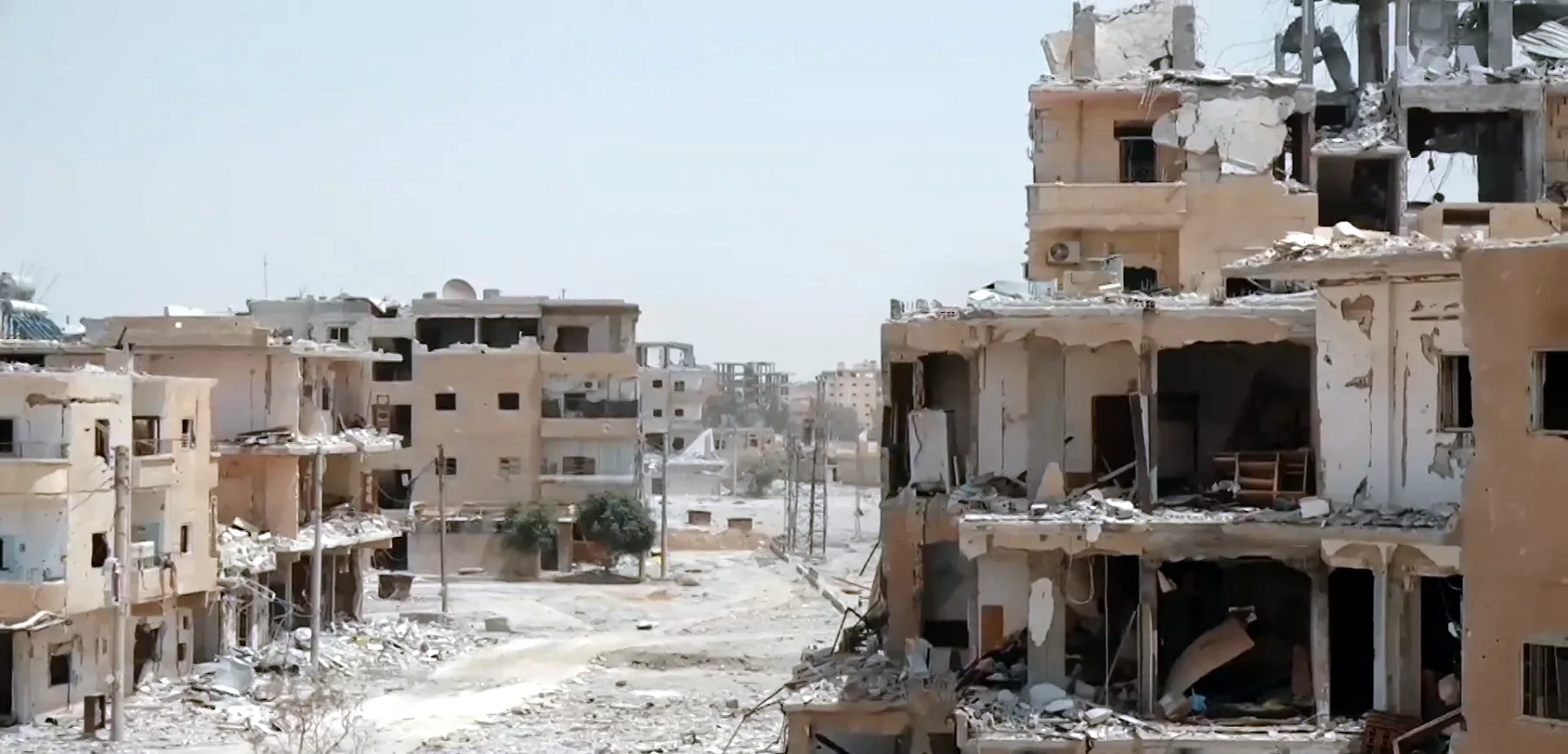
Subheadline: While one side celebrates the capture of Maduro, the deeper question remains: Can a nation once defined by beauty and wealth survive the shock of superpower intervention?
Byline: Carlos Taylhardat, Editor-in-Chief | 3 Narratives News | January 10, 2026
I was born in Washington, D.C., but my upbringing was defined by the Venezuelan flag. My father, Carlos A. Taylhardat, served Venezuela for fifty years, first as a Naval Captain and later as a career diplomat. Because of his service, I learned three languages and lived in five countries before I was twelve.
This isn’t just news to me; it is a family ledger. My brother, Carlos Augusto Taylhardat, was a Captain and the General Manager for all Venezuelan ships in PDVSA during the 2002 confrontations. Because he refused to return oil ships to a government he no longer recognized, he and his family were eventually forced to flee the country at gunpoint. Today, with two sisters, one brother, my Mother and countless relatives living in Venezuela I am still connected to that soil. The “Operation Absolute Resolve” that captured Nicolás Maduro on January 3rd is deeply personal.
The world is currently split. One narrative celebrates the removal of a leader they view as illegitimate, a view championed by María Corina Machado’s team. The other views the U.S. strikes on Caracas as an act of kidnapping against a legitimate president. But regardless of which side you take, we are only at the beginning of the story, and how this unfolds only time will tell.
Narrative 1: The Shadow of the “Forever War”
“Venezuela becomes a destroyed nation like Syria, Iraq, Libya, and Afghanistan.”
In this narrative, history warns that U.S. interference often leaves a country in a worse state than it found it. The visual evidence from Kabul to Tripoli is clear: intervention can replace a known dictator with a vacuum that attracts even more dangerous enemies.
Narrative 2: A Mission of Restoration
“A Better Venezuela: Restoration through Investment and Democracy.”
In this narrative, proponents argue Venezuela is a unique case where U.S. involvement is not an “invasion,” but a necessary mission to restore a broken state and end a corruption cycle that Venezuelans have been unable to break alone.
The 3N Diplomatic Lens
“The Happiest Country in the World”
Venezuela was always a unique nation. When it was wealthy, it wasn’t defined by trade or traditional inventions, but by its culture. We were recognized for winning the most beauty pageants in the world and, I believe, for being the “happiest nation” on Earth.
Editorial Insight (Information Gain): In my family’s diplomatic and naval history, we have seen how failed ideologies can destroy a country's spirit when we lived in Beirout, Leabanon 1992 while my Father opened and embassy. Communism did not just fail the economy; it failed the culture of happiness. History proves that countries fare better when they make changes themselves, but Venezuela couldn't under this regime.
Final Analysis
Will Venezuela join the list of nations broken by intervention, or will it return to its status as a Caribbean powerhouse? History will tell, but for the sake of my family and millions of others, I hope for the latter.
Key Takeaways
- “Leverage” is now the headline: Rubio publicly described taking 30–50 million barrels and controlling disbursement, fueling fears of an open-ended occupation.
- Congress is already arguing over war powers: Critics like Chris Murphy warn Venezuela could echo the mistakes of Iraq and Afghanistan, while Rand Paul says Congress must debate who can initiate war.
- Oil Rebirth pitch: Trump met with Big Oil on Jan 9, 2026, urging private investment and promising “total safety, total security.”
Questions This Article Answers
- Who is leading Venezuela now? Delcy Rodríguez was sworn in as interim president following Maduro’s capture.
- What is the U.S. saying about Venezuela’s oil? Rubio described taking 30–50 million barrels and controlling revenue disbursement.
- How much oil production has been lost? Production fell from 3.5 million barrels per day in the 90s to roughly 800,000 to 1 million barrels today.


