
On the days when Benjamin Netanyahu appears in court, the scene outside is almost always the same: armored vans, chanting protesters, and a row of cameras pointed at a nondescript doorway. Somewhere in that tangle of cables stand four reporters – Raviv Drucker, Guy Peleg, Aviad Glickman, and Or-ly Barlev – who helped turn quiet police files into a corruption trial that now collides with a war in Gaza and a plea for mercy on the president’s desk.
3 NARRATIVES NEWS — December 2, 2025
Editor’s note: This article has been updated to reflect Prime Minister Benjamin Netanyahu’s November 30, 2025 request for a presidential pardon from President Isaac Herzog. The legal process is ongoing; all charges against Netanyahu remain allegations and have not been proven in court.
Context: A Pardon Request in the Middle of a Trial and a War
Benjamin Netanyahu, Israel’s longest-serving prime minister, is on trial in three linked corruption cases, known as Cases 1000, 2000, and 4000, involving allegations of fraud, breach of trust, and, in one case, bribery. Prosecutors say he traded regulatory favors and political access for luxury gifts and friendlier media coverage. He says the charges are a political “witch-hunt” engineered by rivals, police, and the press.
In late November 2025, Netanyahu did something no sitting Israeli leader had done before: he formally asked the president of Israel, Isaac Herzog, for a pre-emptive pardon that would halt his five-year corruption trial midstream. Traditionally, Israeli presidents consider pardons only after a verdict and sentence. Netanyahu wants clemency now, without admitting guilt, and without stepping away from politics.
The request lands in a country still shaken by the October 7, 2023, Hamas attacks and the devastating war in Gaza that followed. It also comes as leaked plans and lobbying swirl around who will rebuild shattered border communities and, eventually, Gaza itself, from Israeli contractors near the Strip to international developers sketching out ambitious reconstruction schemes.
This is the decision on Herzog’s desk: should Israel’s ceremonial head of state use his deepest reserve power to end the trial of its most powerful politician while the country is at war?
How Israel’s System Works: President, Prime Minister, and the Law
On paper, Israel is a parliamentary democracy with a clear division of roles:
- The president of Israel is the head of state, elected by the Knesset (parliament) for a single seven-year term. The job is mostly ceremonial, consisting of accepting ambassadors, signing laws, and symbolizing national unity. But comes with a few crucial reserve powers, including the ability to grant pardons and to decide who gets the first shot at forming a government after elections.
- The prime minister is the head of government and the true center of executive power. The cabinet, security services, war decisions, budgets, and day-to-day governance all run through the prime minister’s office and the coalition they can hold together in the Knesset.
- The legal system is anchored by the Attorney General and the state prosecution, who decide whether to indict sitting politicians. Once indictments are filed, judges – not juries – hear the evidence. Appeals can climb to the Supreme Court.
In ordinary times, presidents rarely make news. But the power to grant pardons is entirely at the president’s discretion. That is why Isaac Herzog, a soft-spoken former Labor Party leader with a reputation for caution, has suddenly found himself at the center of the story.
Benjamin Netanyahu in Brief: Soldier, Diplomat, Survivor
Benjamin Netanyahu was born in 1949, the son of historian Benzion Netanyahu. He served in Sayeret Matkal, Israel’s elite special forces, in the late 1960s and early 1970s and was wounded in action. After his army service, he studied in the United States, earning degrees from MIT and studying at Harvard, then worked in business consulting.
He rose to prominence as Israel’s ambassador to the United Nations in the 1980s. A sharp, telegenic defender of Israeli policy in English-language media, before returning home to lead the right-wing Likud party. He first became prime minister in 1996, lost power in 1999, then returned in 2009 for a marathon run that, with his comeback in 2022, now stretches across more than 18 years.
His supporters see a record of toughness: confronting Iran’s nuclear program, building a globally competitive tech economy, forging normalization deals with Arab states, and steering Israel through repeated wars and terror waves. His critics see something else: a leader who deepened occupation, undermined democratic institutions, and blurred the line between public office and private political survival.
Who Stands Behind Netanyahu – and Why?
Netanyahu’s political survival has never been an accident. It rests on overlapping circles of support:
- Right-wing and religious voters who believe he is uniquely tough on security, skeptical of territorial concessions, and a bulwark against what they see as activist courts and secular elites.
- Residents of border communities and many Israelis who, even after the shock of October 7, still trust his promise that only uncompromising pressure on Hamas and other armed groups can prevent future massacres.
- Business and media allies – from tycoons who benefited from deregulation to media owners who flourished in an era when political power and media access were braided together.
- Developers and investors who see opportunity in rebuilding southern Israel and, further down the line, in whatever reconstruction scheme ultimately emerges for Gaza, even as the details are bitterly contested.
To his base, the corruption charges are part of a long war between “old elites” and an elected leader who changed Israel’s map. To his opponents, that same longevity is the problem: a politician who accumulated allies, favors, and leverage until the checks in the system began to bend.
The Four Journalists Who Followed the Cases – and Paid a Price
Much of what the public knows about Netanyahu’s corruption cases did not come from court transcripts or official press conferences. It arrived, patiently and sometimes painfully, through a handful of journalists who chose to spend their careers at the intersection of politics, law, and power.
Raviv Drucker: The Investigative Thorn
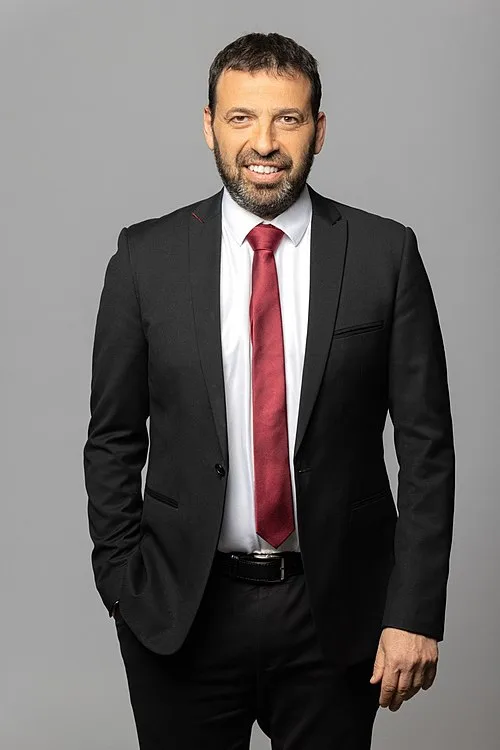
Raviv Drucker is an investigative journalist whose work on Netanyahu and his inner circle helped trigger several of the early police inquiries that later became formal cases. Over the years, his reports have dug into the prime minister’s relationships with wealthy benefactors, the flow of gifts to the Netanyahu family, and the murky world of media–politics deals.
For that, he has become a favorite target of the prime minister and his allies. Netanyahu has publicly attacked Drucker, tried to marginalize his programs, and once posted language widely read as a call to see him jailed – language he later walked back. Whether you see Drucker as hero or antagonist largely tracks how you see Netanyahu, but there is no question his work helped put the cases on the public record.
Guy Peleg: The Legal Chronicler Under Guard
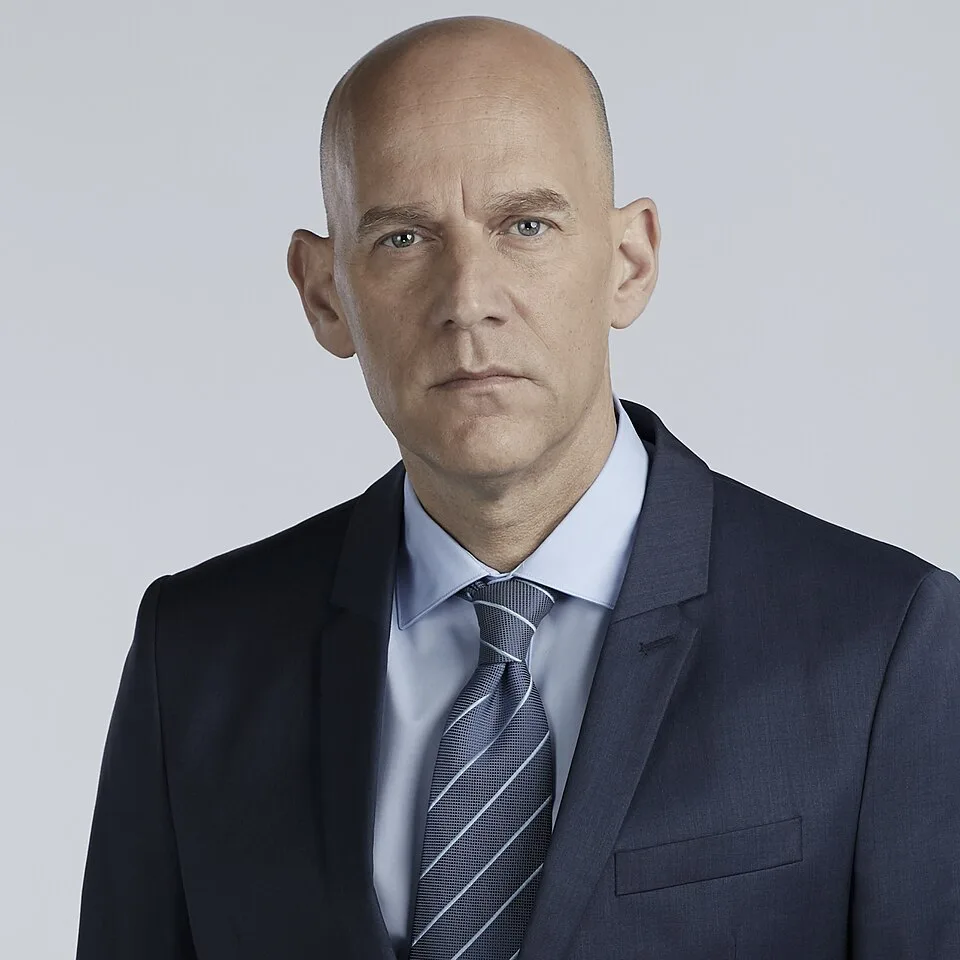
Guy Peleg, Channel 12’s senior legal correspondent, is the voice many Israelis hear when they try to understand what is actually happening inside the Jerusalem courtroom. He translates filings, cross-examinations, and motions into nightly television segments.
That visibility has a cost. As Peleg reported on testimony and leaked transcripts, he became a lightning rod for Netanyahu’s supporters. Channel 12 has publicly condemned threats and harassment against him; at one point the network hired a bodyguard after weeks of escalating intimidation. The trial made Peleg not just a narrator, but a character in the drama.
Aviad Glickman: The Reporter Called in “Under Caution”
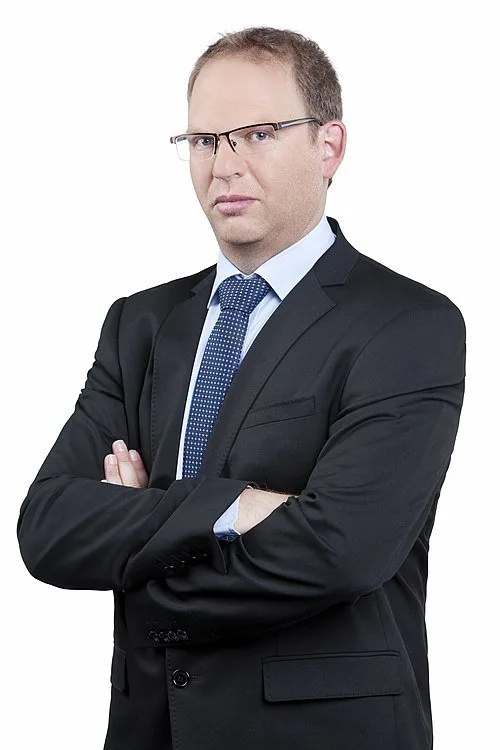
Aviad Glickman covers legal affairs for Channel 13 and has been a sharp voice on Netanyahu’s cases. In 2025, police summoned him for questioning “under caution” after a staffer for Sara Netanyahu alleged he shoved her during a hearing.
The Attorney General later stepped in, urging police to hold off on the interrogation pending her review. Press-freedom groups and opposition figures warned that hauling a critical legal reporter into a criminal probe over a disputed physical encounter looked uncomfortably close to intimidation. Glickman, like Peleg, found that to track the trial is to become entangled in its politics.
Or-ly Barlev: The Independent Voice in the Streets
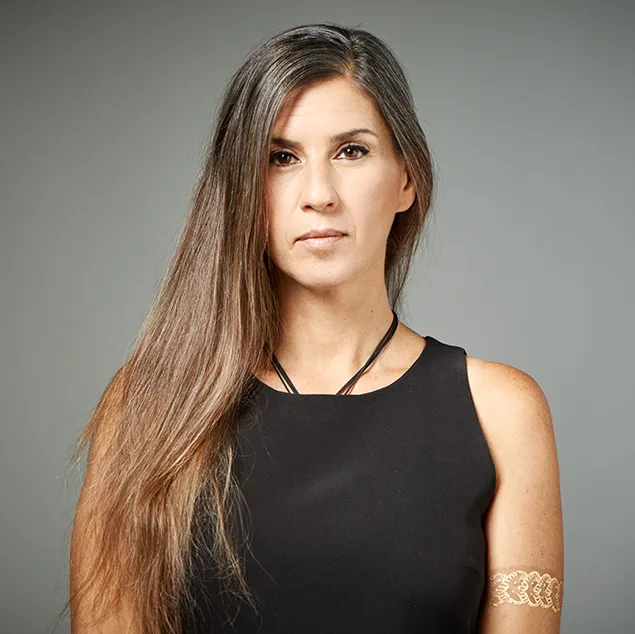
Or-ly Barlev is an independent journalist and activist who built her following not from a studio, but from livestreams of protests, Knesset committee debates, and late-night vigils outside Netanyahu’s residences and the courts. She has been at the forefront of both the anti-corruption and anti-judicial-overhaul protests, with a camera and a microphone often serving as her only protection. https://www.ha-makom.co.il/
Barlev has reported being shoved and groped by police while on the air and has become a symbol of a new kind of citizen-journalist, funded by small donations and powered by social media. Her work does not just explain the indictments; it documents how ordinary Israelis react to the idea of a leader on trial.
Together, Drucker, Peleg, Glickman, and Barlev have kept the cases in public view for nearly a decade. They have also absorbed lawsuits, online campaigns, threats, and in some instances physical roughness. The question now is whether the story they brought to light will end with a verdict or with a signature on Herzog’s desk.
Barlev is a member of the “Independent Investigative Reporting Fund”, which finances investigative journalists at the direct behest and direction of the public and whose financial sources are from crowd funding. As an independent journalist, she writes for websites such as “Hamakom Hachi Ham B’Gehenom” (The Hottest Place in Hell), “Ha Ayin Ha Shvi’it” (The Seventh Eye), and the blog “Kalkala Amitit” (Real Economy).
Narrative 1: Netanyahu the Great Man – and Why the Pardon Should Be Granted
From the perspective of Netanyahu’s supporters.
In this telling, history will not remember the brand names of the cigars or the champagne bottles. It will remember the man who kept Iran from the bomb, who opened Washington’s doors to Jerusalem, who presided over an Israeli tech boom that turned Tel Aviv into a startup capital, and who stared down Hamas, Hezbollah, and Iran at the same time.
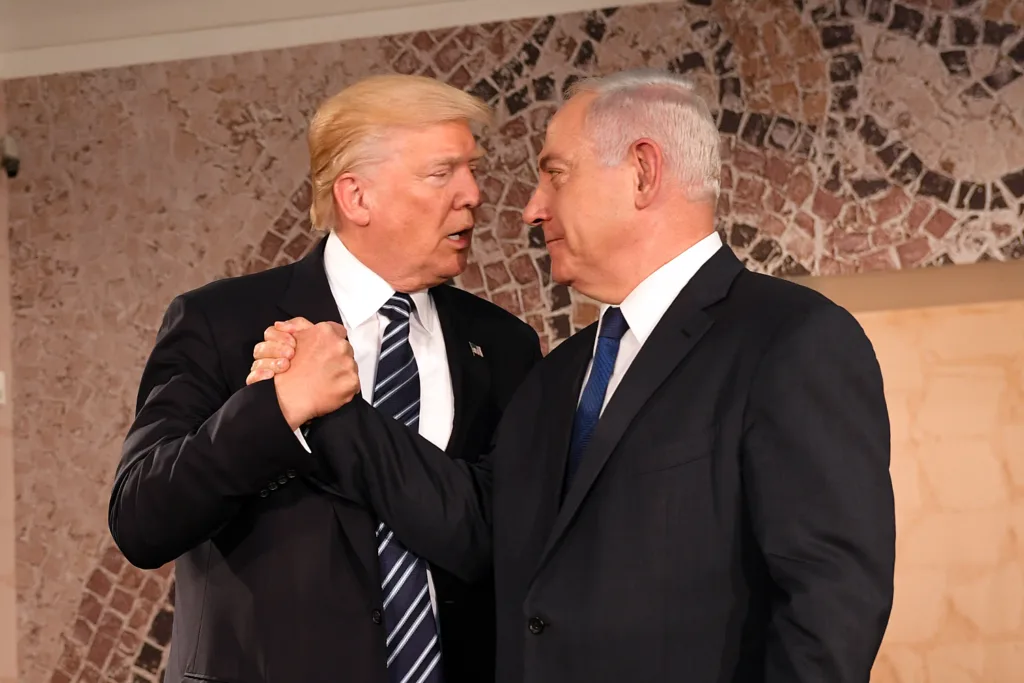
Netanyahu’s backers point first to security. They see a region reshaped by his leadership: the normalization deals with Arab states, covert cooperation against Iran, and a hard-headed refusal to trust Hamas or the Palestinian Authority with what they consider vital security assets. Even critics admit that he has been an unusually effective diplomat in American politics, able to survive shifts from Clinton to Bush to Obama to Trump and beyond.
They also see the October 7 catastrophe not as proof of his unfitness, but as evidence of the scale of the threat. If anything, they argue, this is exactly the time to have an experienced wartime leader, not an untested coalition learning the map while rockets fall. For them, the war in Gaza, the threats from Lebanon and Yemen, and the possibility of miscalculation with Iran all demand stability at the very top.
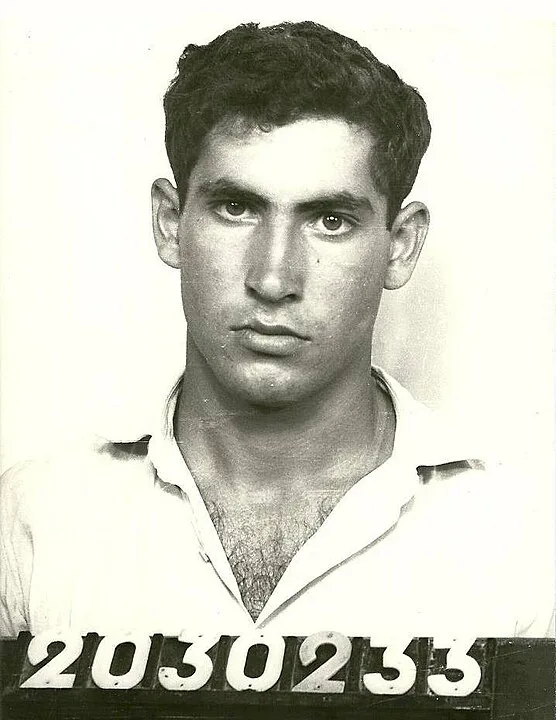
In this view, the trial has gone on too long and gone too far. It has pulled a sitting prime minister into court three days a week, forced his lawyers and ministers into constant crisis management, and deepened Israel’s internal rifts. Supporters see the charges as small-bore compared to the stakes: gifts from friends, conversations with media owners, regulatory decisions that might have been better handled but hardly amount, in their eyes, to grand larceny.
The journalists who exposed the cases are not heroes in this narrative but partisans, some of them, Netanyahu’s allies say, openly committed to bringing him down. They point to leaked tapes, selective framing, and the symbiotic relationship between certain reporters and the political opposition. They argue that Netanyahu has been tried not just in court but on television, night after night, in what they consider to be a hostile media ecosystem.
That is why the pardon, for them, is not a favor to a politician but an act of national healing. A president chosen by parliament, above the daily brawl, can say: enough. The country is at war, the wounds of the judicial-overhaul battle are still raw, and entire communities in the south and north must be rebuilt. Let historians argue about cigars and phone calls; let the government focus on hostages, borders, and reconstruction, including the developers and engineers who will be asked to turn rubble into homes.
In this narrative, Herzog’s signature would not be a betrayal of democracy. It would be a recognition that democracy, in moments of crisis, sometimes chooses to move on.
Narrative 2: The Allegations That Refuse to Go Away
Seen through the work of four journalists who built the public record – Raviv Drucker, Guy Peleg, Aviad Glickman, and Or-ly Barlev.

In this telling, the story of Netanyahu’s legal troubles is the story these four reporters have been piecing together for years. Netanyahu is not just “any” politician under investigation; he is a prime minister facing serious criminal allegations that have not been proven in court but have moved from police files to prosecutor’s desks to the courtroom, step by step, under their cameras and bylines.
Through their reporting, the outline of the three main cases came into focus. Case 1000 alleges that Netanyahu and his wife received hundreds of thousands of dollars’ worth of gifts, cigars, champagne, and jewelry from wealthy businessmen, while the prime minister took steps that allegedly benefited their interests. Case 2000 revolves around recorded conversations about a possible deal: softer coverage from a powerful newspaper in exchange for legislation that would hurt a rival paper. Case 4000 alleges that, as communications minister, Netanyahu approved regulatory moves that delivered enormous financial benefits to a telecom tycoon, while a news site he controlled improved its coverage of the Netanyahus.
Netanyahu denies all of this. In court he has pleaded not guilty to every charge; his lawyers argue that there is no clear quid pro quo, that gifts between friends are being criminalized, and that editorial decisions are being misread. But in the world traced by these four journalists, the focus is on the system, not just the man. If a sitting prime minister can negotiate favorable coverage with media owners, accept lavish gifts over years, and oversee regulatory favors without ever facing a verdict, what message does that send to every future politician and every future tycoon?
In this narrative, the journalists are not bit players. They are the ones who made the pattern visible. Raviv Drucker’s investigations into gifts and favors, Guy Peleg’s meticulous coverage of legal filings, Aviad Glickman’s reporting from the courthouse steps and the Supreme Court, Or-ly Barlev’s camera pointed at the faces in the crowds – together, they forced the country to confront questions it might otherwise have avoided.
They also absorbed the blowback so that institutions could keep moving. When Netanyahu lashed out at Drucker, when Peleg needed a bodyguard, when Glickman was called in “under caution,” when Barlev described being shoved by police at a protest, their followers saw a pattern of pressure on those who dared to follow the money and the law. To grant a pardon now, in the world they describe, would risk telling future leaders that if they can just hold out long enough and shout loudly enough, their problems might disappear.
Their reporting also sits inside a wider context. They chronicled Netanyahu’s attempted judicial overhaul, the mass protests it ignited, and the growing talk in parts of his coalition about narrowing court powers. They now cover the mix of political friends and business interests hovering at the edge of the Gaza reconstruction discussion. Seen through that lens, a midtrial pardon, without any admission of guilt or withdrawal from politics, looks less like a gesture of unity and more like a test of whether the rules still apply at the very top.
For readers who follow their work, Herzog’s duty is not to lower the temperature for its own sake, but to defend the principle that in a democracy, even the most powerful leader must stand equal before the law. If that principle wobbles now, they fear, it may never fully recover.
The Silent Story: Peace for Israelis, Peace for Palestinians, Beyond One Man
Beneath these two competing portraits of Netanyahu, the indispensable wartime leader, the politician under serious but unproven allegations, lies a quieter, more universal story about what people on both sides of the conflict want.
Most Israelis do not wake up thinking about legal doctrines or the outer limits of presidential clemency. They think about their kids’ bus routes, the siren app on their phones, and the reserve-duty call that might come next month. They worry about mortgages on apartments that suddenly feel too close to the northern border or the Gaza fence. They argue about whether October 7 was a failure of intelligence, of policy, or of imagination, but they converge on a simple wish: not to live forever on the edge of sirens.
Most Palestinians in Gaza and the West Bank do not wake up thinking about Herzog’s pardon powers either. They think about checkpoints, drones, the broken windows taped with plastic, the relatives who never came back, and the rumors of future “plans” for their land drawn in distant conference rooms. They, too, articulate a simple wish when you cut through the ideology: to live with some predictability, some dignity, and some control over their own future.
A pardon for Netanyahu will not, by itself, bring any of that. Nor will a conviction. The future shape of this land, whether it is partitioned or shared, whether Gaza is rebuilt for Palestinians or carved into zones by others, whether new developers build towers or new generations build something less tangible, will depend on choices far wider than one man’s legal file.
But the way this story ends will send a signal. If Israel can navigate a war, a divided public, and a corruption trial of its own leader while preserving both accountability and basic fairness, it strengthens the case that this conflict does not have to end in permanent emergency. If it chooses expediency over process, or retribution over mercy, that lesson will also echo.
For Israelis and Palestinians alike, the deeper question is the same: can the systems that rule their lives, courts, armies, ministries, developers, and donors ever be organized around something other than whoever holds power at a given moment?
President Herzog’s answer to Netanyahu’s request will be one datapoint in that larger story. The journalists who helped bring the allegations into the light will keep filing, whatever he decides. And the people on both sides of the border will continue to live with the consequences long after the cameras pack up and move on.
Key Takeaways
- Benjamin Netanyahu has formally requested a presidential pardon from Isaac Herzog to end his long running corruption trial, an unprecedented move while a sitting prime minister is still in office and the trial is ongoing.
- The president of Israel is mostly ceremonial but holds crucial reserve powers, including the power to grant or deny pardons at his own discretion.
- Four journalists – Raviv Drucker, Guy Peleg, Aviad Glickman, and Or-ly Barlev – played outsized roles in exposing and chronicling the allegations, and have faced intimidation, threats, or physical roughness as a result.
- Supporters argue that Netanyahu’s leadership during war and crisis justifies a pardon in the name of unity and stability; critics warn that ending the trial now would undermine the rule of law and reward pressure on the media and courts.
- The deeper, silent story reaches beyond one leader: Israelis and Palestinians both live with the consequences of decisions made in distant rooms, and both long for a future in which law, peace, and rebuilding matter more than any single man’s fate.
Questions This Article Answers
What exactly is Benjamin Netanyahu asking President Isaac Herzog to do? Netanyahu is asking Herzog to use his constitutional clemency power to grant a presidential pardon that would halt the prime minister’s ongoing corruption trial before any verdict, without an admission of guilt and without Netanyahu stepping down from politics.
What are the main corruption allegations against Netanyahu, and are they proven? The three main cases involve alleged illicit gifts from wealthy businessmen (Case 1000), discussions about trading legislation for friendlier newspaper coverage (Case 2000), and alleged regulatory favors for a telecom company in exchange for positive news coverage (Case 4000). These remain allegations; Netanyahu has pleaded not guilty, and the court has not rendered a verdict.
How powerful is the president of Israel compared to the prime minister? The president is largely a ceremonial head of state, but has important reserve powers such as granting pardons and choosing who is first asked to form a government after elections. The prime minister, however, leads the government and holds real executive power over security, foreign policy, and domestic affairs.
Who are the journalists most closely associated with exposing Netanyahu’s cases? Investigative reporter Raviv Drucker, legal correspondents Guy Peleg and Aviad Glickman, and independent journalist Or-ly Barlev have all played central roles in bringing details of the investigations and trial to the public, often facing lawsuits, harassment, or threats for their work.
Will granting or denying the pardon change the prospects for peace between Israelis and Palestinians? Herzog’s decision will shape Israel’s internal debate about law and leadership, but it will not, by itself, determine the future of Gaza, the West Bank, or the broader conflict. Peace for Israelis and Palestinians will depend on deeper political choices, negotiations, and how power, land, and reconstruction are ultimately shared.
For more background on how we handle complex stories, see our explainer “Truth and Lies About AI Assistance in the Newsroom — Revealed” and our policy page “How 3 Narratives News Uses AI Search Assistance.” For another layered geopolitical story, read “Trump, China and Venezuela: Four Reasons This Standoff Matters.”